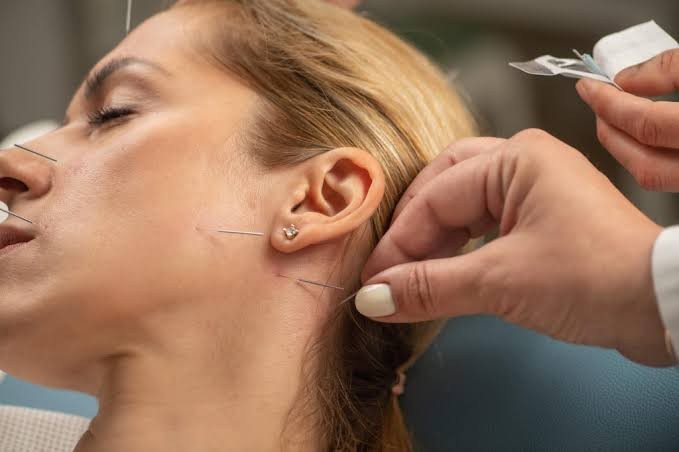


As a healthcare professional, you are likely aware of the growing interest in holistic approaches to mental wellness. Acupuncture, an ancient practice rooted in Traditional Chinese Medicine (TCM), is increasingly recognized for its potential to support mental health. This practice involves the insertion of fine needles into specific points on the body to balance the flow of energy, or Qi, enhancing both physical and mental well-being.
In recent years, acupuncture has gained traction among healthcare professionals, including Registered Massage Therapists, Chiropractors, Physiotherapists, Osteopaths, Nurses, and Doctors, particularly in Ontario’s bustling cities like Toronto, Burlington, and Ottawa. These professionals, driven by a commitment to personal development and patient care, are exploring acupuncture as a complementary therapy to support mental wellness in their practices.
The Science Behind Acupuncture’s Impact on Mental Health
Acupuncture’s role in mental wellness is supported by a growing body of scientific research. Studies suggest that acupuncture can influence brain chemistry by stimulating the release of neurotransmitters such as serotonin and dopamine, which play a crucial role in mood regulation. This biochemical interaction can help alleviate symptoms of anxiety, depression, and stress, providing a natural alternative to conventional treatments.
For healthcare professionals looking to integrate acupuncture into their practice, understanding its scientific underpinnings is essential. Programs like Medical Neuro-Acupuncture focus on the intersection of traditional acupuncture techniques and modern neuroscientific principles, equipping you with the knowledge to apply these methods effectively in treating mental health conditions.
Acupuncture for Anxiety and Stress Relief
Anxiety and stress are prevalent issues in today’s fast-paced world, often leading individuals to seek holistic treatments. Acupuncture offers a promising solution by targeting specific acupoints known to reduce stress hormones and promote relaxation. By incorporating acupuncture into your therapeutic repertoire, you can offer patients a non-invasive option to manage stress and improve their overall mental wellness.
Healthcare professionals in Ontario are increasingly drawn to acupuncture’s potential for stress relief, given the region’s high-paced lifestyle and the growing demand for integrative health solutions. Acquiring skills in acupuncture can not only enhance your professional credentials but also expand your ability to provide comprehensive care to patients seeking alternative therapies.
Addressing Depression with Acupuncture
Depression, a complex mental health disorder, affects millions worldwide. Traditional treatments often involve medication and therapy, but acupuncture presents an alternative or complementary option. By stimulating specific points, acupuncture can enhance the body’s natural ability to produce mood-enhancing chemicals, potentially reducing depressive symptoms.
For practitioners in the fields of nursing, physiotherapy, and chiropractic care, integrating acupuncture offers a holistic approach to treating depression. The TCM Acupuncture Diploma provides an in-depth understanding of how acupuncture can be used to address various mental health challenges, ensuring you are well-equipped to support patients on their journey to better mental health.
Enhancing Patient Care Through Acupuncture
As a healthcare professional committed to excellence in patient care, you understand the importance of offering diverse treatment options. Acupuncture not only enhances your service offerings but also aligns with the values of continuous learning and holistic health. By pursuing accredited acupuncture programs, you can meet the growing demand for integrative health solutions while advancing your career.
In Ontario’s healthcare landscape, professionals who incorporate acupuncture into their practices are well-positioned to attract a broader patient base. This is particularly true for those specializing in neurological conditions, as programs like Medical Neuro-Acupuncture provide cutting-edge techniques that integrate traditional methods with modern science, offering new avenues for treatment and improved patient outcomes.
Integrating Acupuncture with Other Therapies
Acupuncture’s versatility makes it an ideal complement to other therapeutic modalities. Whether you are a chiropractor, physiotherapist, or osteopath, acupuncture can be seamlessly integrated into your existing practice to enhance treatment efficacy. By combining acupuncture with techniques like massage therapy or physical rehabilitation, you can offer a comprehensive approach to patient care that addresses both physical and mental health needs.
For professionals in the aesthetic and wellness sectors, courses in Cosmetic Acupuncture provide an opportunity to expand services by offering non-invasive beauty treatments. This specialization can attract clients seeking holistic beauty solutions, further diversifying your practice and increasing your market appeal.
Training and Certification Opportunities in Acupuncture
For healthcare professionals eager to expand their skills and service offerings, pursuing training and certification in acupuncture can be a transformative step. The International Medical Arts Institute (IMAI) offers a range of accredited programs designed to provide you with the expertise needed to integrate acupuncture into your practice effectively. Programs such as Medical Neuro-Acupuncture and TCM Acupuncture Diploma are tailored to equip you with both foundational knowledge and advanced techniques.
By participating in these programs, you gain access to flexible learning schedules that accommodate your professional commitments, ensuring that you can enhance your qualifications without disrupting your current responsibilities. This flexibility is particularly beneficial for professionals in Ontario’s major cities, where balancing work and continuous education is often a challenge.
Acupuncture’s Role in Holistic Health Promotion
Acupuncture is not only a tool for addressing specific mental health issues but also plays a significant role in promoting overall holistic health. By stimulating the body’s natural healing processes, acupuncture can improve sleep quality, boost energy levels, and enhance immune function, contributing to a more balanced and healthier lifestyle.
For health-conscious individuals who value integrative approaches to wellness, acupuncture offers a compelling solution. As a practitioner, you can leverage this interest by offering services that align with your patients’ preferences for natural and non-invasive treatments. This approach not only meets the demand for alternative therapies but also positions you as a forward-thinking professional in the healthcare industry.
Building a Practice Centered Around Acupuncture
Incorporating acupuncture into your practice opens up new possibilities for patient care and business growth. By differentiating your services with acupuncture, you can attract a wider patient base seeking holistic and integrative health solutions. This differentiation is particularly advantageous in competitive markets like Toronto and Ottawa, where healthcare professionals are continually seeking ways to stand out.
Building a practice centered around acupuncture involves more than just acquiring technical skills. It requires a commitment to understanding patient needs, staying informed about the latest research, and continually refining your approach to treatment. By doing so, you can create a practice that not only meets but exceeds patient expectations, fostering long-term relationships and driving business success.
Networking and Professional Development
Networking with other healthcare professionals who share an interest in acupuncture and holistic health can be invaluable. Engaging with professional communities and attending workshops or seminars allows you to stay updated on industry trends, share insights, and collaborate on best practices. These interactions can also lead to referrals, expanding your reach and enhancing your reputation within the healthcare community.
Participating in professional development opportunities, such as those offered by IMAI, ensures that you remain at the forefront of acupuncture practice. By continually expanding your knowledge and skills, you reinforce your commitment to patient care excellence and personal growth, aligning with the values of your ideal customer profile.
Acupuncture and Patient Education
Educating patients about the benefits and processes of acupuncture is a critical component of integrating it into your practice. Many patients may be unfamiliar with acupuncture or hesitant to try it due to misconceptions. By providing clear, evidence-based information, you can demystify acupuncture and help patients understand how it can support their mental wellness and overall health.
Effective patient education involves clear communication, addressing common concerns, and highlighting the scientific basis of acupuncture’s benefits. By empowering patients with knowledge, you encourage informed decision-making and foster trust, which is essential for successful treatment outcomes and patient satisfaction.
Exploring Future Trends in Acupuncture
The field of acupuncture is continually evolving, with new research and emerging trends shaping its application in healthcare. Staying informed about these developments is crucial for maintaining a competitive edge and providing cutting-edge care. Innovations in acupuncture techniques, integration with technology, and expanding applications in mental health are areas to watch.
As you explore future trends, consider how they align with your practice goals and patient needs. Embracing innovation while staying true to the principles of holistic health can position you as a leader in the field, attracting patients who are eager to benefit from the latest advancements in acupuncture therapy.
Exploring Future Trends in Acupuncture
The field of acupuncture is continually evolving, with new research and emerging trends shaping its application in healthcare. Staying informed about these developments is crucial for maintaining a competitive edge and providing cutting-edge care. Innovations in acupuncture techniques, integration with technology, and expanding applications in mental health are areas to watch.
As you explore future trends, consider how they align with your practice goals and patient needs. Embracing innovation while staying true to the principles of holistic health can position you as a leader in the field, attracting patients who are eager to benefit from the latest advancements in acupuncture therapy.
Leveraging Technology in Acupuncture Practices
Technology is playing an increasingly significant role in modernizing acupuncture practices. From online booking systems and telehealth consultations to digital tools for tracking patient progress, technology enhances the efficiency and reach of your services. These advancements are particularly relevant for healthcare professionals in Ontario’s urban centers, where tech-savvy patients expect seamless integration of digital solutions into their healthcare experiences.
By adopting technology in your acupuncture practice, you can improve patient engagement, streamline operations, and offer personalized care that meets the expectations of today’s digital-first consumers. This approach not only enhances patient satisfaction but also positions your practice as a forward-thinking provider of holistic health solutions.
Acupuncture’s Expanding Role in Pain Management
Acupuncture is well-regarded for its effectiveness in pain management, offering a natural alternative to pharmaceuticals. Conditions such as chronic pain, migraines, and musculoskeletal issues can be effectively addressed through targeted acupuncture treatments. As a healthcare professional, incorporating acupuncture into your pain management strategies can provide patients with relief while minimizing reliance on medication.
The demand for non-pharmacological pain management solutions is growing, particularly among patients who prefer holistic and integrative approaches. By offering acupuncture as part of your pain management repertoire, you can attract a diverse patient base seeking comprehensive care that addresses both the symptoms and underlying causes of pain.
Collaborating with Other Healthcare Professionals
Collaboration with other healthcare professionals can enhance the effectiveness and reach of your acupuncture practice. By working alongside physiotherapists, chiropractors, and other specialists, you can offer integrated treatment plans that address multiple aspects of a patient’s health. This collaborative approach not only improves patient outcomes but also fosters a network of referrals and professional support.
In Ontario’s healthcare landscape, where multidisciplinary collaboration is valued, building strong relationships with fellow practitioners can differentiate your practice and expand your professional network. These partnerships can lead to joint educational opportunities, co-hosted workshops, and shared insights that enrich your practice and professional growth.
Acupuncture Education and Community Engagement
Educating your community about the benefits of acupuncture is essential for raising awareness and building trust. Hosting informational sessions, workshops, or webinars can demystify acupuncture and demonstrate its value in supporting mental wellness and overall health. By engaging with your community, you can position yourself as a knowledgeable and approachable expert in holistic health.
Community engagement also provides opportunities to gather feedback, understand patient concerns, and tailor your services to meet local needs. This proactive approach to patient education and community involvement can strengthen your practice’s reputation and foster long-term relationships with patients.
Contact Us for Professional Development Opportunities
As a healthcare professional committed to enhancing your skills and service offerings, exploring acupuncture’s potential in your practice can be a rewarding endeavor. The International Medical Arts Institute (IMAI) offers a range of accredited programs designed to equip you with the expertise needed to effectively integrate acupuncture into your practice. Our programs, including Medical Neuro-Acupuncture and the TCM Acupuncture Diploma, provide flexible learning schedules and practical, hands-on experiences that accommodate your professional commitments.
By pursuing these programs, you can meet the growing demand for holistic and integrative health solutions while advancing your career. If you’re interested in learning more about our offerings and how they can benefit your practice, we invite you to reach out. Please feel free to contact us at imaieducation@gmail.com for more information and to discuss how we can support your professional development and patient care goals.