TCM ACUPUNCTURIST DIPLOMA PROGRAM
The TCM Acupuncturist Diploma Program offered by the International Medical Arts Institute (IMAI) is a comprehensive, full-time program designed to equip healthcare professionals and aspiring practitioners with the expertise needed to integrate Traditional Chinese Medicine (TCM) into modern clinical practice. This program provides in-depth education in TCM theory, diagnostics, treatment principles, and complementary modalities, preparing students to practice safely, effectively, and compassionately.
This hybrid program spans 2½–3+ years, divided into four 3-month terms per year, offering a blended learning experience with live interactive Zoom lectures, immersive in-class sessions, and supervised clinical practicum. Students engage with both foundational and advanced TCM concepts, including acupuncture, acupressure, auricular therapy, cupping, gua sha, moxibustion, herbal therapies, and Chinese nutrition. The curriculum also integrates pharmacology, biomedicine, western medical studies, and complex case analysis, allowing students to develop practical clinical skills while understanding the intersections between TCM and modern healthcare.
The program covers all competencies required to sit for the PANAM TCM Canadian Board Exam, including TCM theory, pattern differentiation, point prescriptions, diagnostics, and clinical case management. Upon successful completion of the IMAI exams, then passing the PANAM Exam, graduates become licensed TCM Acupuncturists with an official billing number, fully qualified to provide integrative patient care.
IMAI is committed to supporting student success. Classes are recorded for review in case of emergencies.The program offers replays, a student back office portal to view lectures, 1-on-1 mentoring when needed, and a year of ongoing free classes. Students are expected to engage in independent study and attend all sessions to maximize their learning experience.
We Are Now Accepting New Students!
IMAI’s mission is to cultivate skilled, confident, and compassionate practitioners. Graduates are empowered to integrate TCM theory, diagnosis, and treatment—including acupuncture, auricular therapy, cupping, guasha, moxibustion, herbal therapies, and nutrition—into their professional practice, providing holistic care to individuals, families, and communities.
If you are ready to take the next step toward a meaningful career in holistic health, complete the TCM Application.
View The Curriculum
ACUPUNCTURIST DIPLOMA PROGRAM
Full Program Curriculum
This curriculum spans three years (twelve terms) and combines foundational biomedical sciences with the theory and clinical application of Traditional Chinese Medicine and acupuncture. Each term lists the courses offered, a brief description of course content, and the associated credit and contact hours.
YEAR 1 — FOUNDATIONS
Term 1 (180 Hours)
| ||||||||||||||||||||||||||||||||
Term 2 (190 Hours)
| ||||||||||||||||||||||||||||||||
Term 3 (200 Hours)
| ||||||||||||||||||||||||||||
Term 4 (210 Hours)
| ||||||||||||||||||||||||||||
Year 1 Total: 78 Credits | 780 Hours
YEAR 2 — CLINICAL DEVELOPMENT
Term 5 (210 Hours)
| ||||||||||||||||||||||||||||
Term 6 (210 Hours)
| ||||||||||||||||||||||||||||
Term 7 (210 Hours)
| ||||||||||||||||||||||||||||
Term 8 (220 Hours)
| ||||||||||||||||||||||||||||
Year 2 Total: 85 Credits | 850 Hours
YEAR 3 — PROFESSIONAL PRACTICE
Term 9 (200 Hours)
| ||||||||||||||||||||||||||||
Term 10 (200 Hours)
| ||||||||||||||||||||||||||||
Term 11 (210 Hours)
| ||||||||||||||||||||||||
Term 12 (210 Hours)
| ||||||||||||||||||||||||
Year 3 Total: 82 Credits | 820 Hours
PROGRAM SUMMARY
Year | Hours | Credits |
Year 1 | 780 | 78 |
Year 2 | 850 | 85 |
Year 3 | 820 | 82 |
TOTAL | 2450 | 245 |
No prerequisite required
Hybrid Program
2 1/2 yr – 3 yrs in length
2,200 hours
In Class Practicum
500+ hours of direct patient contact with supervision
Price: $26,995
Payment Plans Available
Call us! We’re here to help you succeed!
IMAI encourages students to continue weekly review classes for FREE for up to one year upon graduation.
IMAI provides access to recorded lectures through a secure online portal for review or in case of missed classes to support student success.
Mentoring available when needed
Replays are available
This program begins in Fall and Spring
Limited Seats Available*
Frequently Asked Questions
The TCM Acupuncturist Diploma Program is like a complete roadmap taking you to ancient healing. It teaches students the principles and practices of Traditional Chinese Medicine and acupuncture. The program covers meridian theory, diagnosis methods, treatment planning, and hands-on techniques. Students gain the knowledge and practical skills needed to begin a rewarding career in holistic healthcare.
Individuals who want to build a career in Traditional Chinese Medicine and acupuncture can enroll in this program. This program is also valuable for healthcare professionals who wish to expand their skills. It provides structured learning and practical training opportunities through online classes.
Traditional Chinese medical beliefs are introduced to students. They are aware of meridian pathways, acupuncture point locations, patient assessment procedures, and therapeutic methods. To boost students’ confidence, the curriculum includes practical instruction. This program provides graduates with the skills required to apply their knowledge in clinical practice.
Indeed, a key element of the program involves practical training. Students engage in supervised learning activities that enable them to apply what they have learned in the classroom to real-life situations. Students can learn the right methods through practical experience. Students gain credibility and get equipped for careers in traditional Chinese medicine and acupuncture.
Traditional Chinese Medicine focuses on restoring balance within the body. Practitioners use acupuncture and other techniques to support overall wellness. They encourage natural healing processes. This holistic approach considers the physical, emotional, and lifestyle factors that may influence a person’s health and well-being.
Yes, the program is designed to support students with busy schedules. The learning format helps many professionals continue working while studying. Flexible educational options allow students to gain valuable knowledge and skills. Students do not have to put their careers or personal responsibilities on hold during training.
Graduates may pursue careers in acupuncture and Traditional Chinese Medicine. However, it depends on local regulations and licensing requirements. Many choose to work in wellness clinics, multidisciplinary healthcare settings, or private practice. The skills learned can open doors to a variety of healthcare and wellness opportunities.
International Medical Arts Institute focuses on practical education, experienced instruction, and student success. Our program combines traditional knowledge with modern educational methods. Students receive support throughout their learning journey. They gain valuable skills that can help them grow professionally and confidently.
Program length may vary depending on the curriculum structure and study schedule. Students receive a comprehensive education that balances theory with practical training. The program is designed to provide enough time for skill development. It helps students progress steadily toward their professional goals.
According to traditional Chinese medicine, the body is a networked system. It does not just rely on symptoms. The goal of this therapeutic strategy is to find underlying disorders that could have an impact on health. It assists professionals in developing customized treatment programs that promote overall wellness and sustainable health objectives.
The Administrative Document Fees are as follows:
Diplomas and certificates are included in the tuition fee. For the lengthier programs, the Official Transcript is also Included in the tuition fee.
- Standard Administrative Letter / Recommendation (enrollment, completion, confirmation, etc.) — $50 CAD
- Replacement / Reconstructed Transcript (archived records, manual preparation, mark verification, formatting, etc.) — $100 CAD
- Additional Replacement Transcript Copies requested at the same time — $25 each
- Additional Replacement Diplomas requested — $50 each / Certificates – $20 each
- Rush Processing (if available) — additional fee applies
- Mailing diplomas and certificates $60 / Mailing certificates $30
IMAI'S TCM ACUPUNCTURIST DIPLOMA PROGRAM
“Many of life’s failures are people who did not realize how close they were to success when they gave up.” THOMAS EDISON
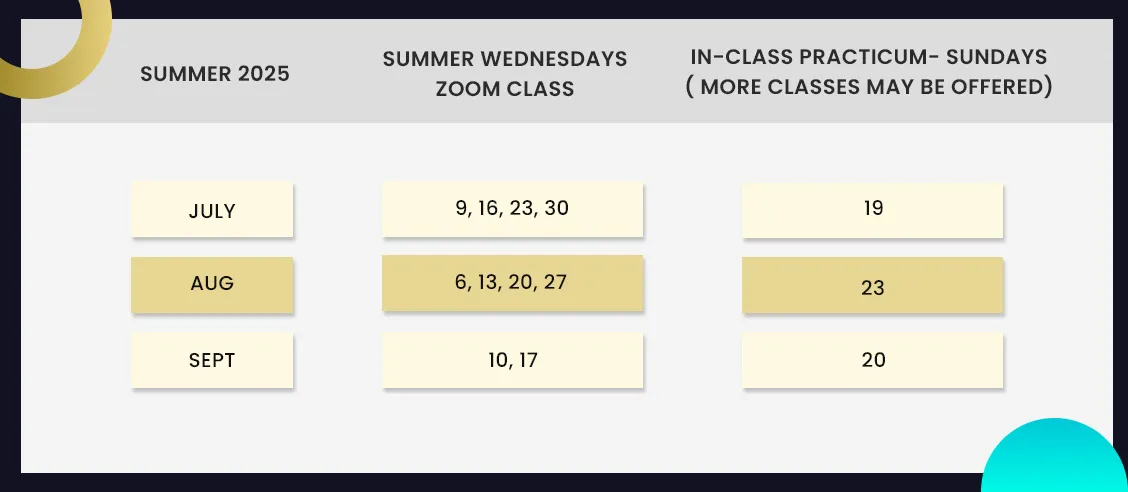
(Some additional Sunday dates 5-8 pm TBD – Burlington / Oakville)
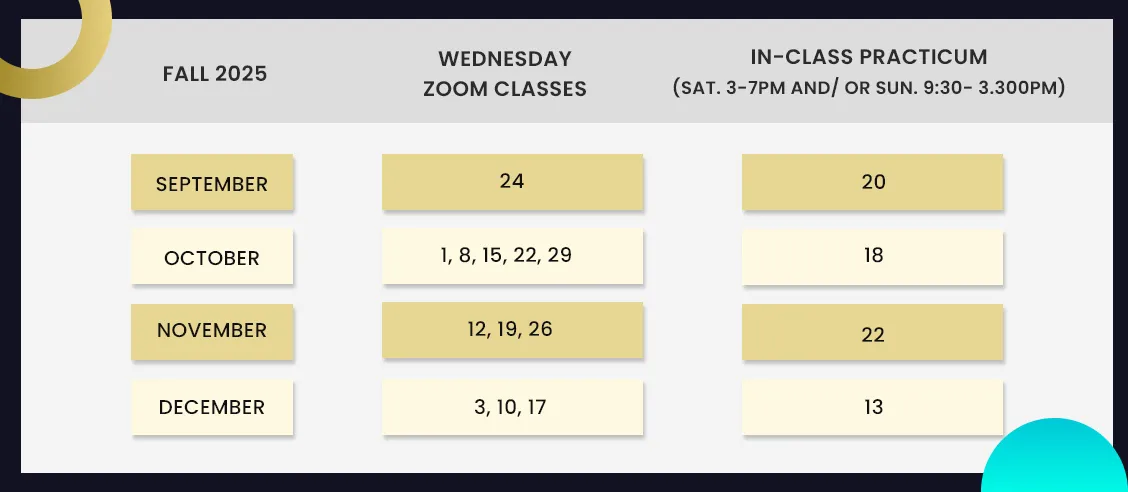
(Some additional Sunday dates 5-8 pm TBD – Oakville)
Program Schedule Overview
The Winter 2026 Medical Neuro-Acupuncture Diploma Term runs January through April in a hybrid format that combines weekly online lectures with mandatory in-person practicum weekends.
Class Structure
Weekly Classes: Wednesdays
-
First Day of Class (Practicum) Saturday, January 17, 2026
-
First Regular Weekly Class (Online): Monday, January 19, 2026
-
Last Regular Weekly Class (Online): Thursday, April 9, 2026
-
Last Days of Class (Practicum) April 18–19, 2026
*No Classes Friday March 13 - Friday March 20
Schedules may change, and we will notify all students in advance.
Class Structure
Weekly Classes: Mondays, Wednesdays, Thursdays
-
First Day of Class (Practicum)
Saturday, January 17, 2026 -
First Regular Weekly Class (Online):
Monday, January 19, 2026 -
Last Regular Weekly Class (Online):
Monday, April 13, 2026 -
Last Days of Class (Practicum)
April 18–19, 2026
*No Classes*
Friday March 13 - 20
Schedules may change, and we will notify all students in advance.
In-Class Practicums
• January 17–18
• February 21–22
• March 21–22
• April 18–19
JANUARY 2026
Why Enroll in the Traditional Chinese Medicine Acupuncturist Diploma Program?
Healthcare professionals today face the challenge of treating complex patient conditions that may not always respond well to conventional therapies. The Diploma in Traditional Chinese Medicine equips practitioners with a holistic, integrative approach to patient care, addressing both the root causes and symptoms of illness.
Key Benefits of Traditional Chinese Medicine Program
TCM offers numerous benefits, including:
- Holistic Healing: TCM considers the body, mind, and environment in diagnosis and treatment, offering comprehensive care.
- Evidence-Based Research Results
- Improved Patient Outcomes: Acupuncture and herbal remedies are proven to treat chronic pain, stress, and digestive issues effectively.
- Professional Growth: Earning a TCM Acupuncturist Diploma Program will enhance your skill set, allowing you to stand out in a competitive healthcare landscape.
Practical Application of TCM in Modern Healthcare
The knowledge and techniques gained from this diploma can be seamlessly integrated into your existing practice, expanding your treatment options for patients seeking natural and non-invasive solutions.
Upon successful completion, an acupuncturist number is assigned for billing.
Comprehensive Curriculum in the
TCM Acupuncturist Diploma Program
The TCM Acupuncturist Diploma Program provides an in-depth education on the core principles and practical applications of Traditional Chinese Medicine. From acupuncture to herbal medicine, the program equips you with a range of techniques to improve patient outcomes.
TCM Theory and Acupuncture
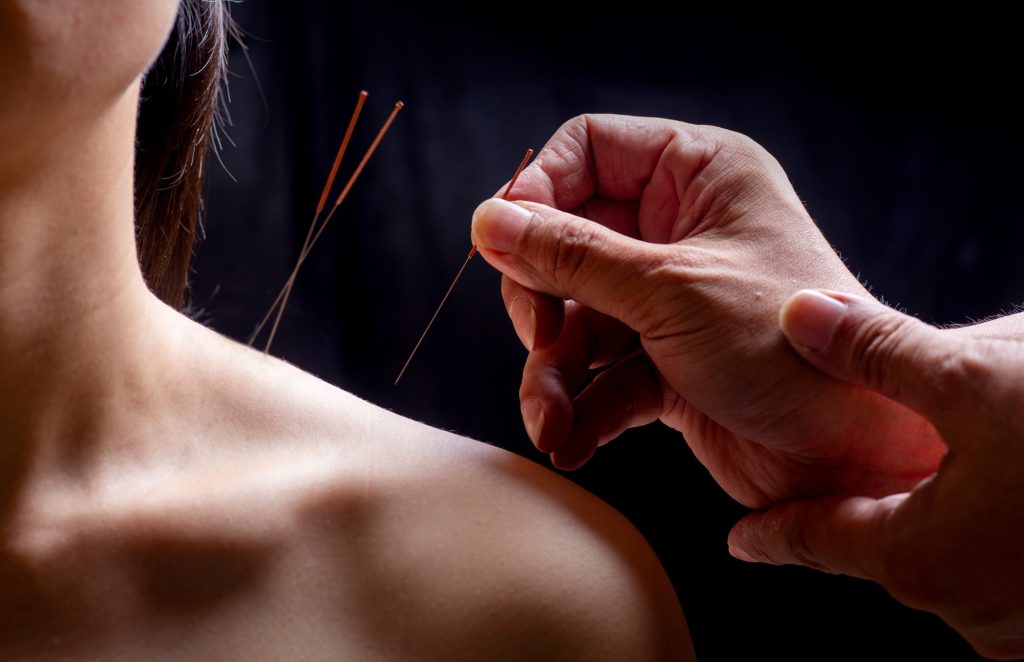
The program teaches various acupuncture methods, including:
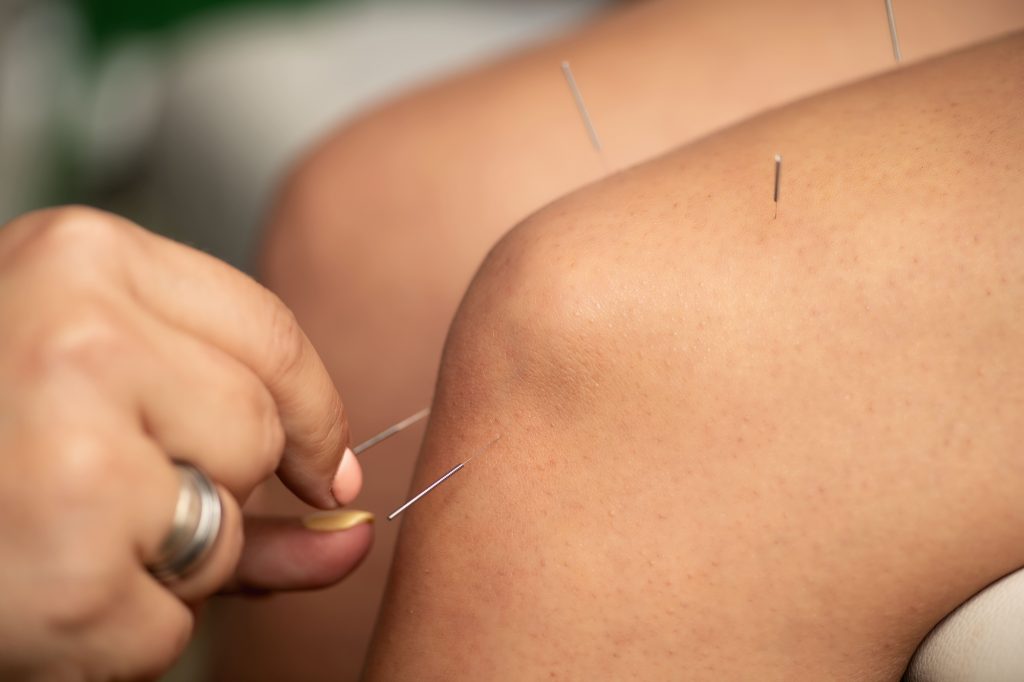
- Body Acupuncture: Needle insertion on the body’s meridians to balance energy flow.
- Auricular Acupuncture: Targeting points on the ear to treat physical and psychological conditions.
- Scalp Acupuncture: Treating neurological and brain disorders through specific scalp points.
- Electro Therapy, Cupping, Moxibustion, Guasha, Auricular Therapy, Longevity / Beauty Therapies.
Understanding Yin-Yang, the Five Elements, and the Emotions
A strong foundation in TCM begins with the theories of Yin-Yang, the Five Elements, and the concept of Qi (vital energy). These principles are the cornerstones of all TCM practices.
Diagnostic Techniques: Pulse and Tongue Reading, Shen, Body Pain, Conditions
In Traditional Chinese Medicine, diagnosis is a vital skill that combines observation with physical examination techniques like pulse reading and tongue diagnosis. These methods help healthcare providers assess imbalances in a patient’s body and create targeted treatment plans.
Advanced Specializations in the
Traditional Chinese Medicine Program
The TCM Acupuncture Program offers healthcare professionals the opportunity to specialize in areas that align with their interests and patient needs. These specializations deepen your expertise and allow you to cater to specific conditions.
Electro-Acupuncture: Modern Technology Meets Tradition
Electro-Acupuncture is a cutting-edge technique that uses small electric currents alongside needles to intensify the therapeutic effects of traditional acupuncture. It is particularly effective for treating chronic pain and neurological conditions.
Cupping Therapy: Ancient Techniques for Modern Healing
Another integral part of advanced TCM is Cupping Therapy, an ancient healing method that involves applying suction cups to the skin to promote circulation, reduce muscle tension, and aid in recovery.
Specialized Focus Areas
- Pain: Conditions and health challenges
- Fertility Acupuncture: Techniques that support reproductive health and increase fertility.
- Mental Health Acupuncture: Treat mental health conditions like anxiety, depression, and stress through acupuncture.
TCM and Modern Practices
At IMAI, we understand the importance of staying current with modern healthcare advancements. Our Diploma in Traditional Chinese Medicine blends traditional practices with contemporary research, ensuring that graduates can apply evidence-based methods in their treatments.
Evidence-Based Research in TCM
With the growing acceptance of Traditional Chinese Medicine in mainstream healthcare, it’s essential to be familiar with the latest research. IMAI emphasizes the importance of staying informed about new findings and integrating them into your clinical practice.
Continuous Professional Development
IMAI supports its alumni with ongoing learning opportunities, including access to the latest TCM research, workshops, and seminars. These resources ensure you remain at the forefront of integrative healthcare.
Humanitarian Outreach
The IMAI Humanitarian Outreach Initiative works collaboratively through organizations such as WOMN and other global healing associations to provide meaningful clinical service opportunities for our students. Through these outreach efforts, students are able to respectfully support Indigenous communities by offering supervised care, sharing knowledge, and helping build sustainable wellness practices. In addition to treatment, we provide education and leave essential supplies so that care can continue after our team has departed. This initiative is not only a powerful way to give back, but also an invaluable learning experience allowing students to expand their clinical skills while learning alongside physicians and practitioners from around the world.
Building a Professional Network in TCM
Enrolling in the Traditional Chinese Medicine Course at IMAI doesn’t just provide you with new skills; it connects you to a community of healthcare professionals. Networking with peers and experts in the field can open doors to collaborative opportunities and professional growth.
Collaboration and Community
The TCM Acupuncturist Diploma Program encourages collaboration through workshops, forums, and seminars where students can engage with both instructors and fellow practitioners. This supportive environment enhances learning and fosters a strong professional network.
Preparing for a Successful Career
Upon completing the diploma program, graduates are well-equipped to work in a variety of healthcare settings, including private practice, clinics, and integrative health clinics.
Frequently Asked Questions:
TCM Acupuncture Diploma Program
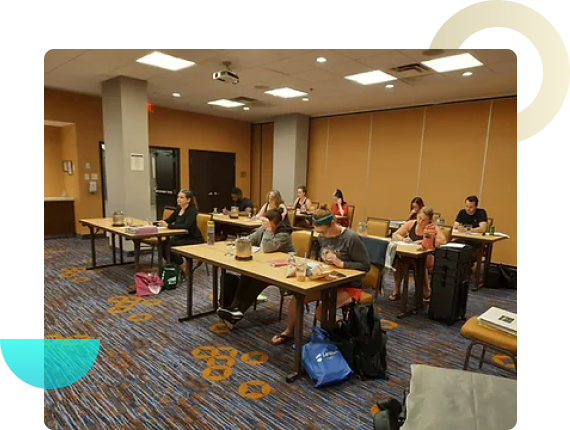
IMAI has a 2.5-3 year TCM Diploma Program, where one can achieve status as an Acupuncturist. (2200 hours and In-Class Practicum hours: 520 Classes are on weekdays with the Practicum In-Class portion on weekends. The TCM program consists of four 3-month terms per year. The program is a hybrid /blended one with Live Zoom interactive lectures, class lectures, and In-Class Practicum. IMAI’s goal is to prepare students to become expert and registered Acupuncturists using TCM theory, diagnosis and integrative treatment – including auricular, cupping moxibustion and herbal therapies – to help patients with health conditions and concerns. To this end, IMAI prepares students to write the Pan -Canadian Examinations. Students need to study outside of school, and attend all classes (which are recorded, should an emergency arise).
Program dependent on number of students.
IMAI’s TCM Diploma curriculum embraces Ontario, B.C. and U.S. curriculum models. Upon successful exam completion, student’s have the title of “Acupuncturist” and with insurance, can legally treat patients using TCM diagnosis. Extended Health Benefits, for the most part include acupuncture by an Acupuncturist with a billing number and in good standing with the CTCMPAO Board.
This program starts in January 2025 and is available to Healthcare Practitioners, Secondary School/University Graduates, Mature and *International Students.
Terms and Conditions
$150 (non-refundable) Canadian Students
$250 (non-refundable) International Students
E-transfer to: imaiedupayment@gmail.com
HOW TO ENROLL:
Contact us at: imaieducation@gmail.com
PAYMENT PLANS + FINANCIAL ASSISTANCE
Contact us at: imaiedupayment@gmail.com
Program:
Students are expected to attend the scheduled classes, in-class practicum, and student clinics. If they cannot, they must inform IMAI and make up the class missed. Students must be on camera and participate in the Zoom Classes.
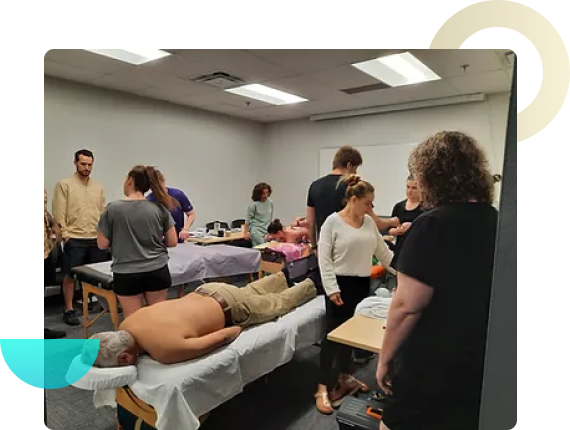
IMAI’s TCM Foundation curriculum embraces Ontario, B.C. and U.S. curriculum models. Upon successful exam completion, students can treat clients using acupressure, cupping, electro and auricular therapy. It is also a good building starting point for advanced education. This program starts in September 2024 and is available to Healthcare Practitioners, Secondary School/University Graduates, Mature and *International Students. Call us for more information
Choose your path to healing and well-being.
Start your journey today by signing up for our newsletter!