
In the realm of holistic health, the integration of various therapeutic techniques has gained immense popularity among healthcare professionals. One such harmonious blend is the integration of cupping therapy with acupuncture. For Registered Massage Therapists, Chiropractors, Physiotherapists, and other healthcare practitioners, this combination offers a comprehensive approach to patient care, enhancing treatment outcomes while broadening their skill set.
The Synergy of Cupping Therapy and Acupuncture
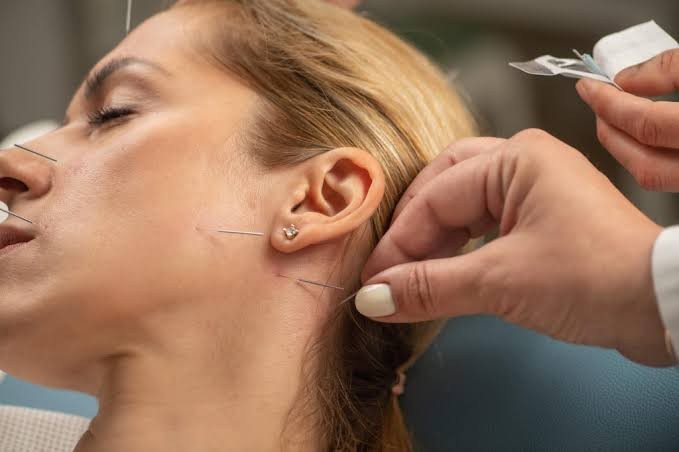
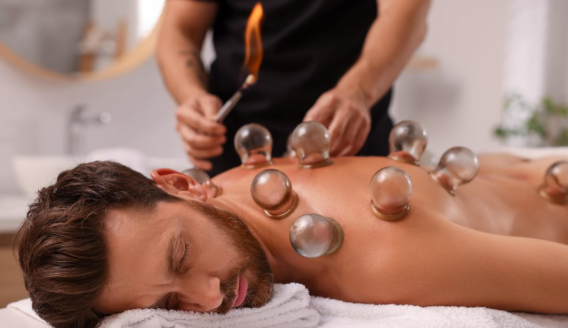
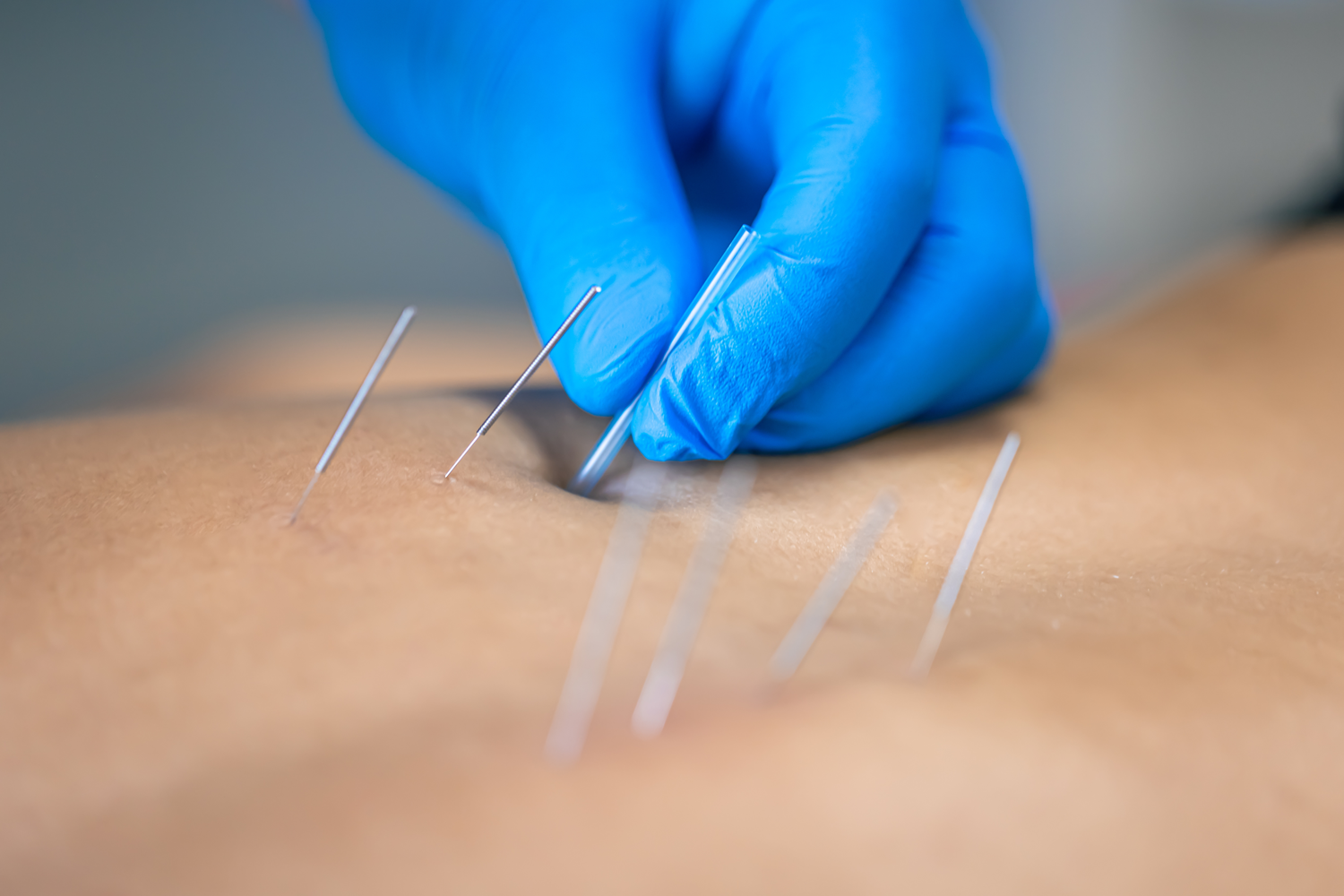
Cupping therapy, an ancient practice with roots in traditional Chinese medicine, involves placing cups on the skin to create suction. This technique is believed to mobilize blood flow, reduce muscle tension, and promote healing. Acupuncture, on the other hand, involves the insertion of thin needles into specific points on the body to balance the body’s energy, or “Qi,” and alleviate various health issues.
When combined, these two therapies can provide a synergistic effect. The suction from cupping can prepare the body by loosening tight muscles and increasing circulation, which can enhance the efficacy of acupuncture. This integration can be particularly beneficial for treating musculoskeletal pain, stress-related conditions, and improving overall well-being.
Benefits for Healthcare Professionals
For healthcare professionals in Ontario, integrating cupping therapy with acupuncture presents numerous advantages:
- Enhanced Treatment Outcomes: By combining these therapies, practitioners can offer more comprehensive care, addressing both the physical and energetic aspects of health.
- Diversified Skill Set: Professionals can expand their service offerings, attracting a broader patient base interested in holistic treatments.
- Increased Patient Satisfaction: Patients often appreciate the multifaceted approach, which can lead to improved satisfaction and loyalty.
- Professional Growth: Engaging in continuous learning and acquiring new certifications can boost career prospects and earning potential.
Practical Applications in Clinical Settings
Integrating cupping therapy with acupuncture can be seamlessly incorporated into clinical practice. For instance, a physiotherapist treating a patient with chronic back pain might begin with cupping to relax the muscles and improve blood flow, followed by acupuncture to target specific pain points and restore energy balance.
Similarly, a chiropractor might use cupping to address muscle tension before an adjustment, ensuring the body is more receptive to the treatment. This approach not only enhances the effectiveness of the primary treatment but also provides a more holistic healing experience for the patient.
Training and Certification
For healthcare professionals interested in integrating these therapies, pursuing accredited training programs is essential. The International Medical Arts Institute (IMAI) offers specialized courses in both cupping therapy and acupuncture, designed to equip practitioners with the skills and knowledge needed to effectively combine these treatments.
Understanding the Historical Context
The roots of cupping therapy and acupuncture trace back thousands of years, deeply embedded in the traditions of traditional Chinese medicine (TCM). Cupping is thought to have originated as early as 3000 BC, with historical records suggesting its use by ancient Egyptians, Chinese, and Middle Eastern cultures. This practice was traditionally employed to treat various ailments, from pain relief to respiratory conditions.
Acupuncture, similarly, has a rich history dating back over 2,500 years. The practice is based on the concept of balancing the body’s energy flow, or “Qi,” through a network of meridians. By stimulating specific points along these meridians with needles, acupuncture aims to restore harmony and promote health.
The integration of these two modalities is a testament to the enduring efficacy of ancient healing practices. By combining the localized suction of cupping with the precise needle placement of acupuncture, practitioners can address both surface-level and deeper health issues, offering a more comprehensive treatment approach.
Scientific Perspectives and Modern Research
In recent years, the scientific community has shown increased interest in understanding the mechanisms and efficacy of cupping therapy and acupuncture. Studies have highlighted the potential benefits of these therapies in managing pain, reducing inflammation, and improving blood circulation.
Research suggests that cupping therapy may help stimulate the skin’s mechanoreceptors, leading to increased blood flow and the release of endogenous opioids, which can alleviate pain. Similarly, acupuncture has been shown to trigger the release of neurotransmitters and modulate the nervous system, contributing to its analgesic effects.
While more research is needed to fully understand the complex interactions between these therapies, existing studies provide a promising foundation for their integration in clinical practice. Healthcare professionals who incorporate cupping and acupuncture into their treatment repertoire can offer evidence-based, holistic care that aligns with modern scientific understanding.
Customizing Treatment Plans for Individual Patients
One of the key advantages of integrating cupping therapy with acupuncture is the ability to tailor treatment plans to the unique needs of each patient. By assessing individual health conditions, practitioners can determine the most effective combination of techniques to address specific issues.
For example, a patient suffering from chronic migraines might benefit from a treatment plan that includes acupuncture to alleviate headache symptoms and cupping therapy to relieve tension in the neck and shoulders. This personalized approach not only improves treatment outcomes but also enhances patient satisfaction by addressing their specific concerns holistically.
Healthcare professionals are encouraged to engage in open communication with their patients, discussing the potential benefits and expectations of integrating these therapies. By fostering a collaborative relationship, practitioners can ensure that patients are informed and comfortable with their treatment plans, leading to better adherence and results.
Expanding Professional Opportunities
Integrating cupping therapy with acupuncture not only enhances treatment efficacy but also opens new professional avenues for healthcare practitioners. By offering a wider range of services, professionals can cater to a diverse clientele, including those seeking alternative and complementary therapies. This diversification is particularly advantageous in competitive markets, where unique service offerings can set practitioners apart from their peers.
Moreover, acquiring skills in both cupping therapy and acupuncture can lead to opportunities for collaboration with other healthcare providers, fostering a multidisciplinary approach to patient care. Such collaborations can enhance referral networks and increase patient volume, further boosting career growth and financial success.
Aligning with Patient Trends and Demands
Today’s patients are increasingly informed and proactive about their health, often seeking treatments that align with their values and lifestyle choices. The integration of cupping therapy and acupuncture meets the growing demand for holistic and integrative health solutions, appealing to patients interested in non-invasive, natural therapies.
This trend is particularly evident among health-conscious individuals who prioritize wellness and preventive care. By offering integrated therapies, healthcare professionals can attract and retain patients who value a comprehensive approach to health, ultimately enhancing patient loyalty and satisfaction.
IMAI’s Role in Supporting Healthcare Professionals
The International Medical Arts Institute (IMAI) plays a pivotal role in supporting healthcare professionals in their journey to integrate cupping therapy with acupuncture. With a range of accredited programs, IMAI provides the necessary training and certification to ensure practitioners are well-equipped to deliver safe and effective care.
IMAI’s courses are designed with the busy professional in mind, offering flexible learning options that accommodate existing commitments. Through practical, hands-on training, practitioners gain the confidence and competence needed to incorporate these therapies into their practice seamlessly.
By choosing IMAI, healthcare professionals align themselves with an institution committed to excellence in education and professional development. This partnership empowers practitioners to elevate their practice, enhance patient care, and achieve their career goals.
For those interested in expanding their skills and service offerings through the integration of cupping therapy and acupuncture, IMAI offers a comprehensive pathway to success. To learn more about our programs and how we can support your professional journey, contact us at imaieducation@gmail.com.