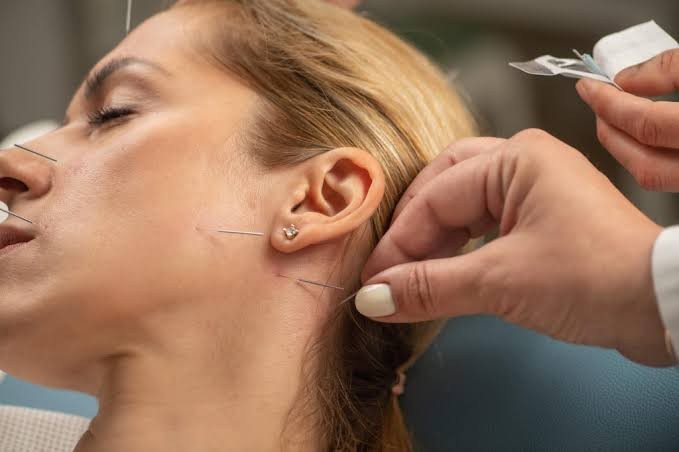


Acupuncture, a cornerstone of Traditional Chinese Medicine (TCM), has been practiced for thousands of years and is gaining increasing recognition within the modern medical community. This ancient practice involves the insertion of fine needles into specific points on the body to balance the flow of energy or “Qi” and promote healing. While its roots are deeply traditional, acupuncture’s effectiveness is now being explored and validated through scientific research, making it a compelling integrative therapy for healthcare professionals.
The Science Behind Acupuncture
Acupuncture’s growing acceptance in the medical field is largely due to the scientific principles that explain its therapeutic effects. Research suggests that acupuncture stimulates the body’s natural healing processes by influencing the nervous system, enhancing blood circulation, and releasing endorphins, the body’s natural painkillers. These physiological responses help to alleviate pain, reduce inflammation, and promote overall well-being.
Neuroscientific Insights
One of the most exciting developments in understanding acupuncture is its integration with neuroscientific principles. Studies using functional MRI (fMRI) have shown that acupuncture can modulate brain activity, affecting areas responsible for processing pain and emotions. This has opened new avenues for treating neurological conditions such as migraines, anxiety, and depression. By targeting specific neural pathways, acupuncture offers a non-invasive alternative for patients seeking relief from chronic pain and mental health issues.
Acupuncture and Pain Management
Pain management is one of the most common applications of acupuncture, and its effectiveness in this area is well-documented. Acupuncture is believed to trigger the release of neurotransmitters and hormones that modulate pain perception. It is particularly beneficial for chronic pain conditions such as arthritis, fibromyalgia, and lower back pain. Healthcare professionals can incorporate acupuncture into their practice to offer patients a holistic approach to pain relief, potentially reducing reliance on pharmaceutical interventions.
Acupuncture’s Role in Holistic Health
Beyond pain management, acupuncture plays a significant role in promoting holistic health. By addressing the root causes of imbalances in the body, acupuncture can improve various health conditions, from digestive disorders to stress-related ailments. Its holistic approach aligns with the values of health-conscious individuals who seek integrative therapies to enhance their overall wellness. As more patients turn towards alternative medicine, practitioners can leverage acupuncture to meet the growing demand for comprehensive health solutions.
Enhancing Professional Practice with Acupuncture
For healthcare professionals, acquiring skills in acupuncture can significantly enhance their service offerings. By integrating acupuncture into their practice, professionals such as Registered Massage Therapists, Chiropractors, and Physiotherapists can differentiate themselves in a competitive market. This not only improves patient outcomes but also aligns with the professional’s commitment to continuous learning and personal development.
Integrating Acupuncture into Modern Healthcare
The integration of acupuncture into modern healthcare systems is a testament to its growing acceptance and effectiveness. As more scientific studies validate its benefits, acupuncture is increasingly being incorporated into conventional medical treatments. Hospitals and clinics now offer acupuncture as part of their pain management and rehabilitation programs, highlighting its role as a complementary therapy. This integration not only broadens treatment options for patients but also enhances the overall efficacy of medical care.
Healthcare professionals who embrace acupuncture can offer a more comprehensive approach to patient care. By combining traditional Western medicine with acupuncture, practitioners can address both the symptoms and root causes of health issues. This dual approach is particularly beneficial for patients with chronic conditions, where traditional treatments may not fully address all aspects of their health.
Training and Certification in Acupuncture
For healthcare professionals looking to incorporate acupuncture into their practice, obtaining the proper training and certification is crucial. Accredited programs, such as those offered by the IMAI – International Medical Arts Institute, provide the necessary education and hands-on experience to ensure practitioners are well-equipped to deliver effective acupuncture treatments. These programs cover a range of techniques and methodologies, from Medical Neuro-Acupuncture to Traditional Chinese Medicine (TCM) Acupuncture, allowing practitioners to choose the path that best aligns with their professional goals.
Certification in acupuncture not only enhances a practitioner’s skill set but also adds credibility to their practice. Patients are more likely to seek treatment from certified professionals, knowing they have received rigorous training and adhere to high standards of practice. This certification can be a significant differentiator in a competitive healthcare market, attracting patients who value expertise and professionalism.
The Future of Acupuncture in Healthcare
The future of acupuncture in healthcare looks promising, with ongoing research and innovation continuing to expand its applications. As our understanding of the human body and its complex systems grows, acupuncture is likely to play an increasingly important role in integrative medicine. Emerging fields such as neuro-acupuncture are paving the way for new treatment modalities, offering hope for patients with conditions that have been challenging to treat with conventional methods alone.
Moreover, the shift towards patient-centered care and personalized medicine aligns well with the principles of acupuncture. By tailoring treatments to the individual needs of patients, acupuncture practitioners can offer more targeted and effective care. This personalized approach is expected to drive further adoption of acupuncture in healthcare settings, as patients and providers alike recognize its potential to improve health outcomes.
For healthcare professionals, staying abreast of these developments is essential. By continuously updating their knowledge and skills, practitioners can remain at the forefront of their field, offering cutting-edge treatments that meet the evolving needs of their patients.
Acupuncture’s Impact on Mental Health
As mental health concerns become increasingly prevalent, acupuncture has emerged as a valuable tool for addressing these issues. The practice has shown promise in alleviating symptoms of anxiety, depression, and stress by regulating the body’s stress response and promoting relaxation. Acupuncture’s ability to influence neurotransmitter activity and balance the autonomic nervous system makes it a powerful adjunctive treatment for mental health care.
Healthcare professionals incorporating acupuncture into their practices can offer patients a holistic approach to mental wellness. By addressing both physical and emotional health, practitioners can provide comprehensive care that supports patients’ overall well-being.
Acupuncture and Immune System Support
The immune system plays a critical role in maintaining health, and acupuncture has been shown to enhance immune function. By stimulating specific points on the body, acupuncture can boost the production of immune cells and improve the body’s ability to fight off infections and illnesses. This immune-modulating effect is particularly beneficial for patients with autoimmune conditions or those recovering from illness.
Integrating acupuncture into treatment plans can help healthcare professionals offer patients a natural way to strengthen their immune systems. This approach aligns with the growing demand for preventive healthcare and wellness-focused treatments.
How IMAI Supports Healthcare Professionals
At IMAI – International Medical Arts Institute, we understand the importance of continuous professional development for healthcare practitioners. Our specialized acupuncture programs are designed to equip professionals with the knowledge and skills needed to integrate acupuncture into their practice effectively. With a focus on both traditional and modern techniques, our courses provide comprehensive training that meets the diverse needs of today’s healthcare landscape.
IMAI’s flexible learning schedules and hands-on training ensure that busy professionals can enhance their qualifications without disrupting their current responsibilities. By offering accredited programs that align with the values of personal development and patient care excellence, IMAI empowers healthcare professionals to expand their service offerings and improve patient outcomes.
To learn more about how our acupuncture programs can benefit your practice and support your professional growth, please contact us at imaieducation@gmail.com. Discover the transformative power of acupuncture with IMAI and take the next step in your professional journey.