

In recent years, there has been a growing interest in the role of alternative therapies in supporting cardiovascular health. Among these, acupuncture stands out for its holistic approach and potential benefits in managing cardiovascular conditions. As a healthcare professional, you may be exploring various methodologies to enhance patient outcomes, and acupuncture offers a promising avenue worth considering. This ancient practice, rooted in Traditional Chinese Medicine (TCM), has been utilized for centuries to promote balance and restore health. Today, its integration with modern medical practices provides a unique opportunity to address cardiovascular issues more comprehensively.
The Science Behind Acupuncture and Cardiovascular Health
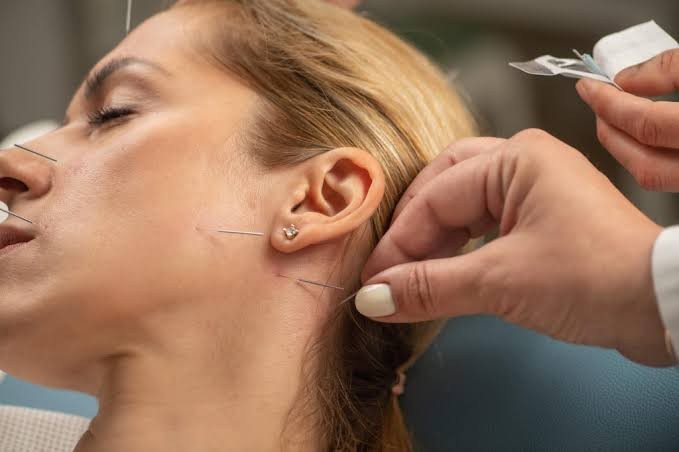
Acupuncture involves the insertion of fine needles into specific points on the body to stimulate energy flow, or “Qi.” Scientific studies have shown that this practice can influence the cardiovascular system in several ways. By stimulating the nervous system, acupuncture can help regulate heart rate, improve blood circulation, and reduce blood pressure. These physiological changes are crucial for patients dealing with hypertension and other cardiovascular conditions.
Moreover, acupuncture’s role in reducing stress and promoting relaxation can have a direct impact on heart health. Stress is a well-known risk factor for cardiovascular disease, and by mitigating its effects, acupuncture may contribute to improved heart function and overall well-being.
Integrating Acupuncture into Cardiovascular Treatment Plans
As a professional in the healthcare industry, you understand the importance of a multidisciplinary approach to patient care. Integrating acupuncture into cardiovascular treatment plans can provide a complementary strategy that enhances conventional medical treatments. For instance, patients undergoing medication for hypertension can benefit from acupuncture sessions to manage side effects and improve therapeutic outcomes. This integrative approach not only addresses the physical aspects of cardiovascular health but also supports emotional and mental well-being.
Acupuncture’s ability to enhance blood flow and reduce inflammation can also be advantageous for patients recovering from cardiovascular events, such as heart attacks or surgeries. By incorporating acupuncture into rehabilitation programs, you can offer patients a more comprehensive recovery plan that addresses both physical and emotional recovery needs.
Exploring Acupuncture Techniques for Cardiovascular Support
In your practice, you may consider various acupuncture techniques that specifically target cardiovascular health. For example, auricular acupuncture, which focuses on points in the ear, has been shown to influence heart rate variability and reduce stress. This technique can be particularly beneficial for patients with anxiety-related cardiovascular issues.
Additionally, electro-acupuncture, which involves the application of a small electrical current to acupuncture needles, can enhance the effects of traditional acupuncture. This method has been explored for its potential to improve cardiac function and reduce the severity of arrhythmias.
Case Studies and Clinical Evidence
Clinical studies and case reports provide valuable insights into the efficacy of acupuncture for cardiovascular health. Research has demonstrated that regular acupuncture sessions can lead to significant improvements in blood pressure levels and heart rate variability. These findings highlight the potential of acupuncture as a supportive therapy for managing cardiovascular conditions.
Furthermore, patient testimonials and practitioner experiences underscore the real-world benefits of acupuncture in cardiovascular care. By sharing these success stories with your patients, you can help them understand the potential benefits of integrating acupuncture into their treatment plans.
Training and Certification for Healthcare Professionals
As a healthcare professional interested in expanding your skill set, obtaining training in acupuncture can enhance your practice and provide additional value to your patients. Programs such as Medical Neuro-Acupuncture and TCM Acupuncture offer comprehensive training that equips you with the knowledge and skills to effectively incorporate acupuncture into your practice. These courses are designed to fit the busy schedules of healthcare professionals, ensuring that you can continue your education without compromising your current responsibilities.
By pursuing acupuncture certification, you not only enhance your professional credentials but also position yourself to meet the growing demand for holistic and integrative health solutions. This commitment to continuous learning and professional development aligns with your values and enhances your ability to provide high-quality patient care.
Benefits of Acupuncture for Specific Cardiovascular Conditions
Acupuncture has shown promise in addressing several specific cardiovascular conditions. For instance, patients with hypertension may experience a reduction in blood pressure levels following regular acupuncture treatments. This effect is attributed to acupuncture’s ability to modulate the autonomic nervous system, which plays a crucial role in blood pressure regulation. By targeting specific acupuncture points, you can help your patients achieve better blood pressure control, potentially reducing their reliance on medication.
For individuals dealing with arrhythmias, acupuncture may offer a non-invasive approach to managing irregular heartbeats. Studies have indicated that acupuncture can help stabilize heart rhythms by influencing the electrical activity of the heart. This intervention can be particularly beneficial for patients who are sensitive to antiarrhythmic drugs or those seeking complementary therapies to support their treatment regimen.
Patient-Centered Approach to Acupuncture in Cardiovascular Care
As a healthcare provider, adopting a patient-centered approach is essential when incorporating acupuncture into cardiovascular care. This involves understanding each patient’s unique needs, preferences, and health goals. By engaging in open communication and collaboratively developing treatment plans, you can ensure that acupuncture complements the patient’s existing medical treatments and aligns with their overall health objectives.
Additionally, educating patients about the potential benefits and limitations of acupuncture can empower them to make informed decisions about their care. Providing resources, such as informative brochures or access to reputable online articles, can enhance their understanding and foster a sense of involvement in their treatment journey.
Addressing Common Misconceptions About Acupuncture
Despite its growing popularity, acupuncture is often surrounded by misconceptions that may deter patients from considering it as a viable treatment option. One common misconception is that acupuncture is painful. In reality, the needles used in acupuncture are extremely thin and cause minimal discomfort. Educating patients about what to expect during an acupuncture session can alleviate their concerns and encourage them to explore this therapy.
Another misconception is that acupuncture is solely a placebo effect. While the mind-body connection is a significant component of acupuncture’s efficacy, scientific research supports its physiological effects on the body. By sharing evidence-based information and case studies, you can help dispel these myths and build confidence in acupuncture as a legitimate therapeutic option.
Leveraging Acupuncture in Preventive Cardiovascular Health
Beyond treating existing cardiovascular conditions, acupuncture can play a valuable role in preventive health strategies. By promoting relaxation, reducing stress, and enhancing overall well-being, acupuncture can help patients maintain heart health and prevent the onset of cardiovascular diseases. Incorporating regular acupuncture sessions into wellness programs can support patients in achieving a balanced lifestyle and reducing their risk factors for heart disease.
For healthcare professionals, offering preventive acupuncture services can expand your practice and attract patients who are proactive about their health. By positioning acupuncture as a preventive tool, you can cater to individuals seeking to optimize their cardiovascular health and overall wellness.
Collaborating with Other Healthcare Professionals
Integrating acupuncture into cardiovascular care often involves collaboration with other healthcare professionals. Building a network of practitioners, including cardiologists, primary care physicians, and other specialists, can enhance the quality of care you provide. By working together, you can create comprehensive treatment plans that address the multifaceted needs of patients with cardiovascular conditions.
Collaborative efforts can also facilitate knowledge exchange and professional development. Attending interdisciplinary seminars, workshops, and conferences can help you stay informed about the latest advancements in cardiovascular care and acupuncture, ultimately benefiting your patients and practice.
Future Directions and Research in Acupuncture for Cardiovascular Health
The field of acupuncture research continues to evolve, with ongoing studies exploring its potential applications in cardiovascular health. Emerging research is examining the use of acupuncture in managing heart failure, improving vascular health, and enhancing recovery from cardiac surgery. Staying informed about these developments can help you incorporate evidence-based practices into your treatment offerings.
As acupuncture gains recognition in the medical community, there is an opportunity to contribute to the growing body of research. By participating in clinical trials or collaborating with academic institutions, you can play a role in advancing the understanding of acupuncture’s benefits and expanding its integration into mainstream healthcare.
In summary, acupuncture offers a multifaceted approach to cardiovascular health, providing both therapeutic and preventive benefits. By integrating acupuncture into your practice, you can enhance patient outcomes, expand your professional repertoire, and contribute to the evolving landscape of holistic healthcare.
Acupuncture’s Role in Holistic Cardiovascular Care
Incorporating acupuncture into cardiovascular care is not just about addressing symptoms but enhancing overall wellness. By focusing on the body’s energy flow and balance, acupuncture helps in harmonizing the body’s functions, which is crucial for maintaining cardiovascular health. This holistic approach can be particularly beneficial for patients who are looking for non-pharmaceutical options to support their heart health.
Healthcare professionals like you, who are committed to providing comprehensive care, can find in acupuncture a valuable tool to enhance patient satisfaction and outcomes. By offering a treatment that addresses both physical and emotional health, you can meet the growing demand for integrative health solutions that prioritize patient well-being.
Enhancing Professional Practice with Acupuncture Expertise
Expanding your professional practice with expertise in acupuncture not only broadens your treatment offerings but also positions you as a leader in integrative healthcare. Patients today are increasingly seeking practitioners who can provide a wide range of treatment options, and acupuncture is a sought-after skill that can set your practice apart. By acquiring certifications in acupuncture, you enhance your credibility and attract a clientele interested in holistic health approaches.
Courses offered by institutions like IMAI provide the in-depth knowledge and practical skills needed to effectively integrate acupuncture into your practice. With flexible learning schedules and hands-on training, these programs accommodate your professional commitments while ensuring you gain the expertise required to deliver high-quality care.
Acupuncture as a Catalyst for Professional Growth
For healthcare professionals dedicated to continuous learning, acupuncture offers an exciting avenue for professional growth. By staying ahead of industry trends and incorporating new treatment modalities, you not only enhance your practice but also contribute to the broader field of healthcare. Acupuncture’s integration with modern medical practices exemplifies the innovative approaches that are shaping the future of healthcare.
Engaging with professional communities and networks that focus on acupuncture and integrative medicine can further enrich your practice. These platforms provide opportunities for collaboration, knowledge exchange, and staying updated with the latest research and developments in the field.
Engage with Advanced Acupuncture Training
Are you ready to explore the transformative potential of acupuncture in cardiovascular care? At IMAI, we offer specialized programs that equip healthcare professionals with cutting-edge techniques and knowledge. Our courses, including Medical Neuro-Acupuncture and TCM Acupuncture, are designed to fit your busy schedule while providing the comprehensive training needed to excel in your practice.
Join a community of like-minded professionals committed to enhancing their skills and improving patient outcomes. For more information on how our programs can support your professional journey, reach out to us at imaieducation@gmail.com. We look forward to supporting you in your pursuit of excellence in healthcare.