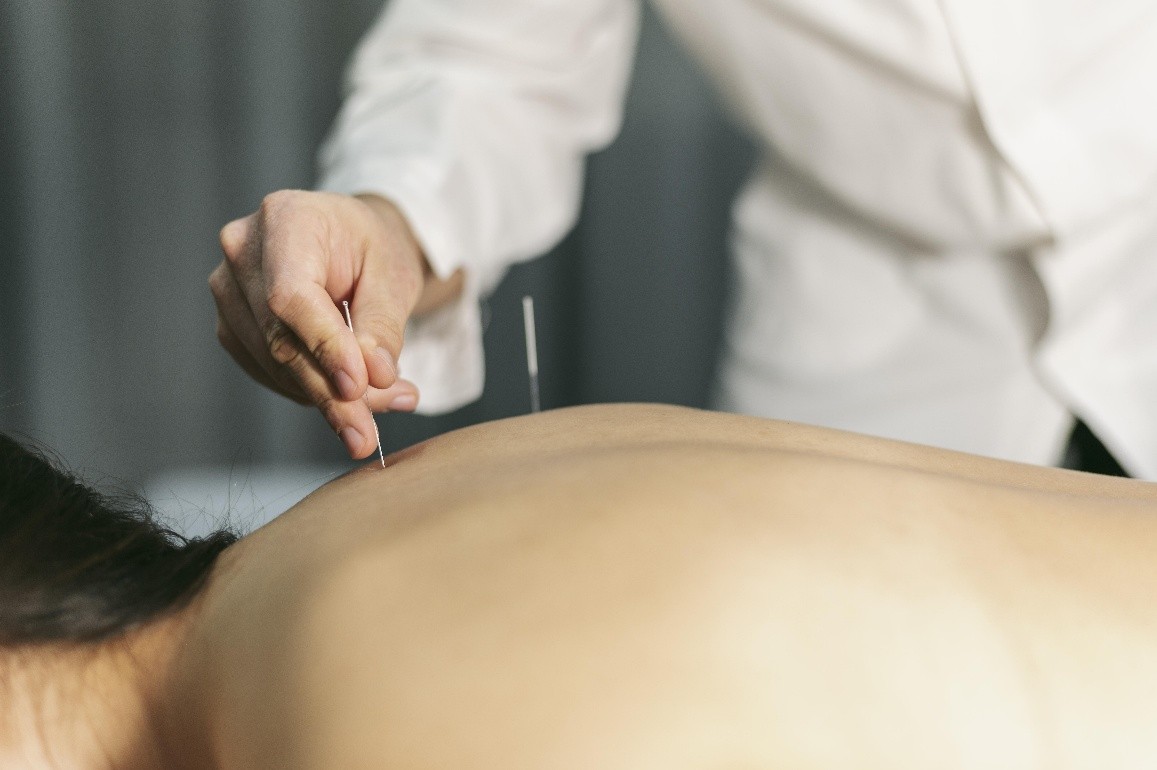

Picture yourself walking into an acupuncture treatment room. You are suffering from low back pain and are eager for some alleviation. Imagine that, with no questions asked regarding your medical history or lifestyle.
Your acupuncturist begins inserting needles without asking about drug intake. Most people would feel uneasy, and for good reason. Excellent acupuncture uses needles. However, it is underpinned by good communication and examination.
Are you training to be an acupuncturist at a Burlington acupuncture school? Or are you exploring acupuncture training in Hamilton, Ontario? If yes, then patient evaluation is a fundamental part of your studies.
Good evaluation ensures patients are treated safely. It helps identify the true cause of someone’s discomfort. This makes it possible to apply theoretical knowledge to treat individuals successfully.
Seeing Beyond the Surface Symptom
Two patients can visit your clinic with the same pain. For example, both people might have bad headaches. However, one person has neck pain from computer screen strain. The other person deals with high stress, poor sleep, and stomach trouble.
A careful checkup helps you look past the obvious symptom. In Traditional Chinese Medicine, all body systems connect closely. Ask clear questions about sleep, energy, digestion, and daily stress. These answers reveal the full health picture. Treat the root cause instead of just chasing surface pain. When you fix the real problem, patients heal faster and stay well longer.
Traditional Chinese Medicine Diagnostic Tools
Students today are taught to integrate traditional TCM diagnostic techniques with good clinical analysis. There are four fundamental diagnostic techniques:
- Looking: Examining a person’s posture, complexion, and facial expression helps assess their condition. In TCM, practitioners analyze the tongue’s form, color, and coating. This provides valuable insight into a person’s state of health and the functioning of their organs.
- Listening and Smelling: The practitioner carefully analyses a person’s tone. They examine an individual’s respiration and other minute physical features.
- Asking: The practitioner does a caring and methodical questioning process. This helps them collect different information about an individual. These pieces of information include lifestyle, medical background, pain, and daily activities.
- Feeling (Palpation): Gently palpating the meridians helps a practitioner detect points of sensitivity. The practitioner examines muscle tension and temperature variations. They analyze the radial pulse on both wrists. This helps them understand the status of a person’s Qi and blood.
Keeping Every Patient Safe
Good checks keep patients safe. You learn to spot risks and health limits early. Training shows you how to ask about blood thinners, bleeding issues, pregnancy, and pacemakers. You also spot urgent signs that need fast hospital care. Examples include chest pain, sudden numbness, or bad infections. Good care means knowing when to skip needles. It also means knowing when to send a patient to a doctor.
Building Deep Trust and Creating Better Treatment Plans
Patients heal faster when they feel heard. Sit down, listen closely, and ask caring questions for 20 minutes. This simple habit builds instant trust. People love it when healthcare workers truly care about their health. Clear notes also help you plan future visits. When your patient returns next week, check their progress. Adjust your treatment points and update their care plan with total confidence.
Conclusion: Start Your Acupuncture Training with the International Medical Arts Institute
Do you want to master patient care, diagnosis, and safe acupuncture? The International Medical Arts Institute offers modern, student-focused training built for your success. Our skilled teachers guide you step by step. You learn Traditional Chinese Medicine, Western anatomy, and effective patient care.
We deliver flexible online lessons plus hands-on weekend workshops. You practice real clinical skills under close expert supervision. We also give you one-on-one mentor support and lifetime access to all study materials. Whether you want to grow your current career or start fresh, IMAI gives you trusted skills and respected credentials. Contact us today to view our upcoming schedule and start learning.
Frequently Asked Questions (FAQs)
- Why is patient assessment important in acupuncture training?
Patients can be assessed to learn more about their specific health issues. Students can then analyze a patient’s medical background, symptoms, and lifestyle, together with drugs they are taking and any potential risks. Appropriate assessment improves safety and ensures effective treatment. Good assessment also facilitates good communication between both acupuncturist and patient.
- What are the four diagnostic methods used in Traditional Chinese Medicine?
The 4 ways of diagnosis utilized in Traditional Chinese Medicine are inspection, listening and smelling, inquiry, and palpation. Acupuncturists inspect, analyze what is heard, including a patient’s speech and respiration, and inquire regarding a patient’s health and lifestyle. Palpation and pulse diagnosis are also performed. All of these aid in gaining further insight into a patient’s health.
- What health information should an acupuncturist collect before treatment?
An acupuncturist should obtain information relating to a patient’s medical history, symptoms, and drugs, as well as details of their allergies. Information about former treatments and health issues is also important. Further relevant data may include whether someone is pregnant, has a hemorrhage-related condition, or has medical appliances inserted.
- How does patient assessment help improve treatment planning?
Assessment provides valuable information which can then be analyzed to formulate a personalized treatment. Throughout treatment, a practitioner can utilize assessment to appropriately amend a patient’s care. Regular assessment also allows practitioners to track development, identify issues, and maintain good patient communication.
- What should students look for in an acupuncture training program?
A good acupuncture course should include modules on assessment, anatomy, Traditional Chinese Medicine, and safe practice. Teaching and practice supervision are also key. When investigating courses, ensure you examine the syllabus, practical components, accreditation, and that the course aligns with your career aspirations.